Over 35 governments and 90 international organizations provide systematic support to Ukrainian education: the Ministry of Education and Science strengthens international partnerships
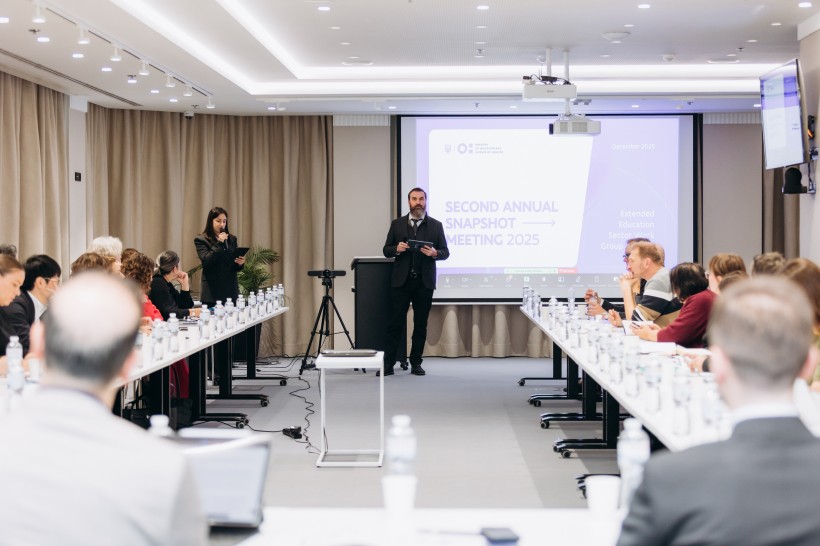
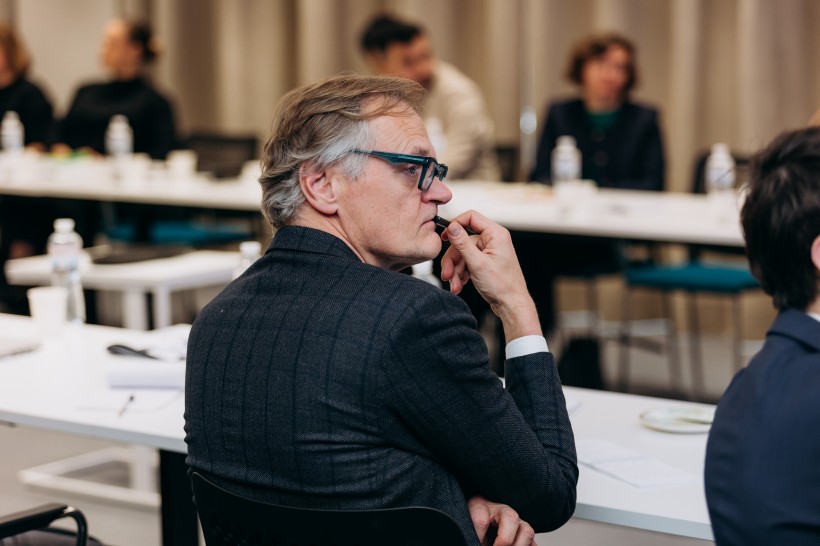
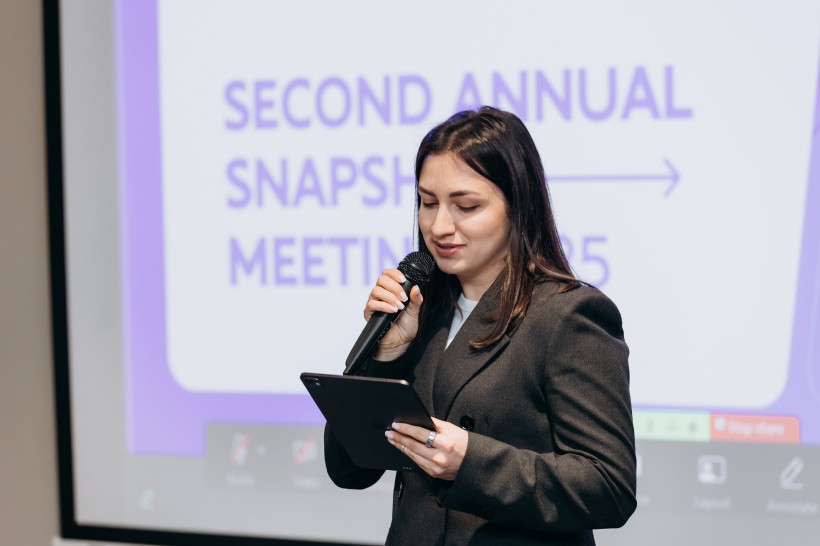
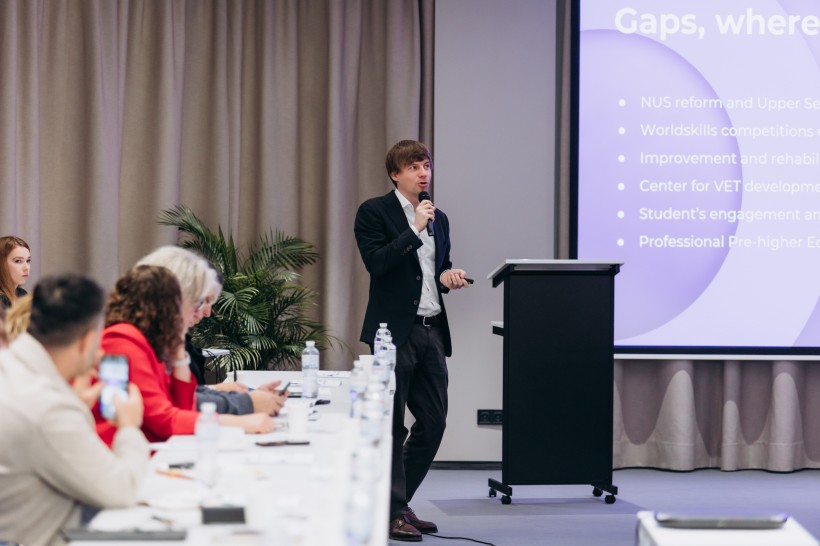
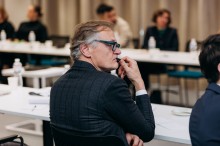
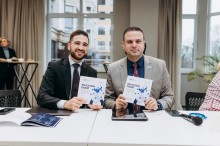
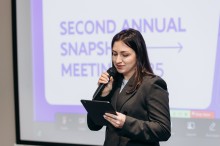
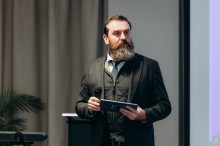
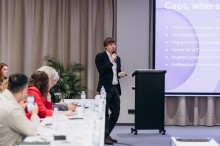

The Ministry of Education and Science of Ukraine (MoES) continues to expand its ecosystem of international partners who provide long-term, structured support to Ukrainian education. To coordinate next steps and joint initiatives, MoES held the Annual Meeting of the Education Sector Working Group, which brought together key development partners.
The meeting was chaired by Minister of Education and Science of Ukraine Oksen Lisovyi, First Deputy Minister Yevhen Kudriavets, Ambassador of the Republic of Finland to Ukraine Tarja Fernández, and UNICEF Representative in Ukraine Munir Mammadzade. The event was organized with the support of UNICEF.
Education shapes what our country will be in the future. This is why it is crucial to preserve access to education, improve quality, and create new opportunities for all learners even in wartime. Building while the enemy destroys is an enormous effort, yet we succeed thanks to the support of international partners and the resilience of those implementing change on the ground. Investments from governments and international institutions confirm that we share common values and a shared goal: the development of Ukraine’s human capital,
said Oksen Lisovyi, Minister of Education and Science.
MoES regularly reports results to partners and aligns future priorities through Sector Working Groups covering early childhood, general secondary, vocational and professional pre-higher education, and education in emergencies.
“Today, more than 35 governments and 90 international organizations support Ukrainian education at all levels — from early childhood to higher education and science. Thanks to our partners, Ukraine is not only restoring access to education during the war but also continuing systemic reforms and modernizing infrastructure — from underground schools to upgraded college workshops. We will continue expanding our network of partners to support as many students and teachers as possible and to improve the quality of Ukrainian education,” said First Deputy Minister Yevhen Kudriavets.
MoES and international partners are currently implementing more than 20 projects to support Ukrainian education:
Infrastructure and safety: Over €70 million has been mobilized for the reconstruction of educational institutions and the construction of shelters with support from the EU, the governments of Belgium, Sweden, Lithuania, Ireland, South Korea, France, UNDP, UNESCO and others. UNICEF is actively supporting the creation and modernization of shelters in preschools.
Partners have also provided over 100,000 devices through the Device Coalition, and continue supporting the provision of school buses and textbooks.
Early childhood education: Ukraine launched the First Steps Forward initiative with the support of UNICEF, the EU, the Government of Finland, UNESCO, the World Bank, OECD, GPE, Polaris, TheirWorld and others. This is the first nationwide initiative prioritizing early childhood education and uniting partners for a comprehensive transformation of the sector.
Over 20 international partners have joined the alliance supporting First Steps Forward. The World Bank has already made an initial investment of $35 million to support early childhood transformation in 2026.
General secondary education: Ukraine is implementing the LEARN program with World Bank support, with a total budget of over $419 million. The program combines systemic and investment tools for modernizing general secondary education. By the end of 2025, LEARN will reach around 1 million students, teachers, and education staff across the country. MoES is also implementing the “Education for Life” policy and professional development programs for teachers and principals under LEARN.
The reform of upper secondary education is being prepared with support from the Government of Finland, the Swiss-Ukrainian DECIDE project, Polaris, and other partners.
Vocational and professional pre-higher education: Reform of vocational education is being implemented with comprehensive support from the Swiss Agency for Development and Cooperation, SwissContact, the Zurich University of Teacher Education, and DECIDE. Partners provide expert, institutional, and infrastructure support.
The European Investment Bank and the Government of Japan are investing in modern workshops and equipment.
The Skills4Recovery coalition (EU, Germany, Poland, Estonia, Denmark) is strengthening college autonomy, supporting cooperation with business, and enhancing adult learning. Centres of excellence are being established with BMZ funding. Finland supports the Bridge for Skills program, and the Belgian agency Enabel provides comprehensive development support to colleges.
Higher education: With World Bank support, Ukraine is implementing UIHERP — the “Ukraine Higher Education Improvement for Results Program.”
The project aims to modernize university infrastructure, strengthen competitiveness, and foster integration into the global education space. The total budget is $200 million.
It is important that international partners also support digitalization of the education system, development of inclusive education, reforms at all levels, and scientific programs.
MoES expresses deep gratitude to all international partners for their consistent support and shared vision for the development of Ukrainian education. Together, Ukraine and its partners continue building a safe, resilient, and future-oriented education system.
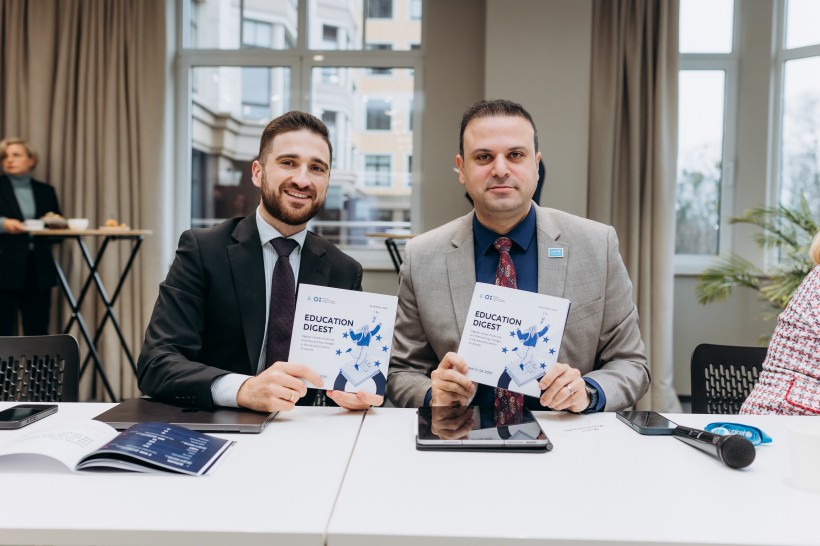
Learn more about education policies, joint international projects, and the progress of key reforms in the latest edition of the Education Digest.