Education Is a Shared Responsibility: What Was Discussed at Serpneva 2026
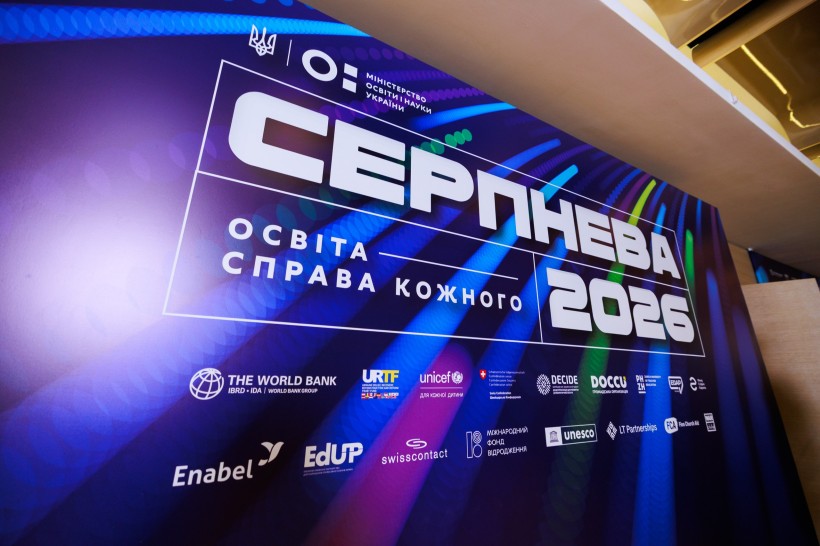
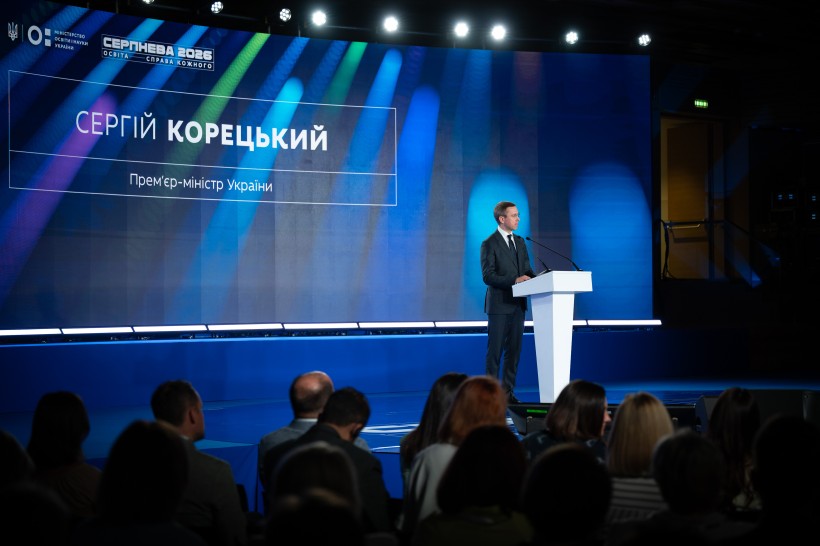
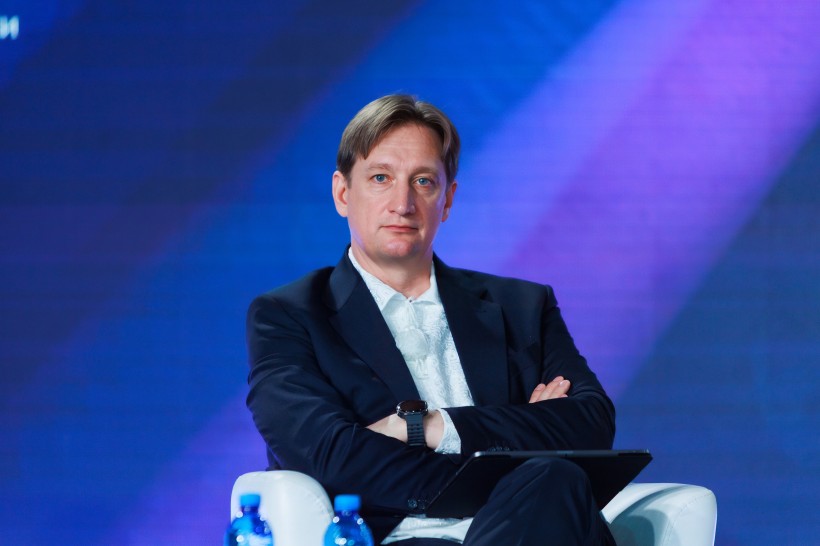
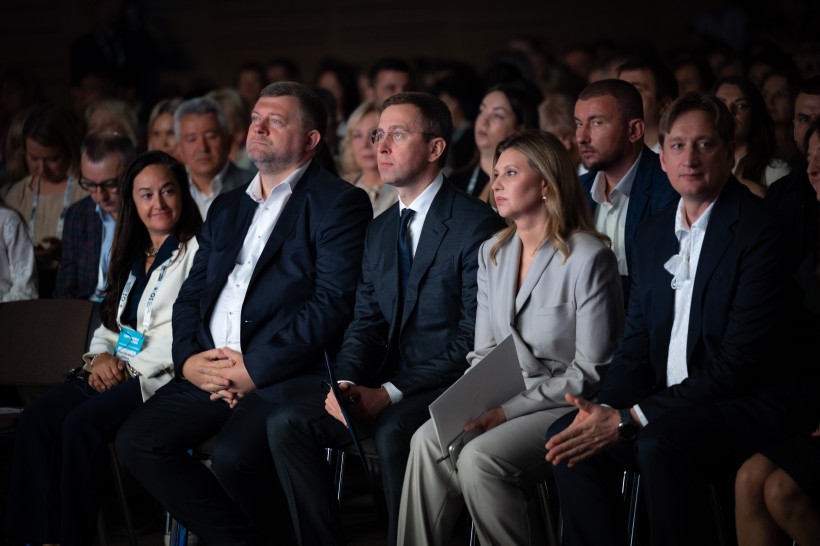
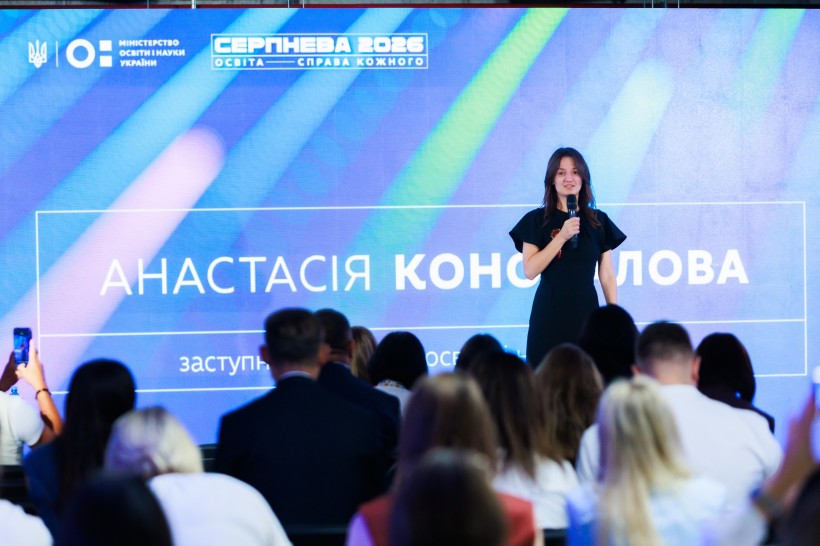
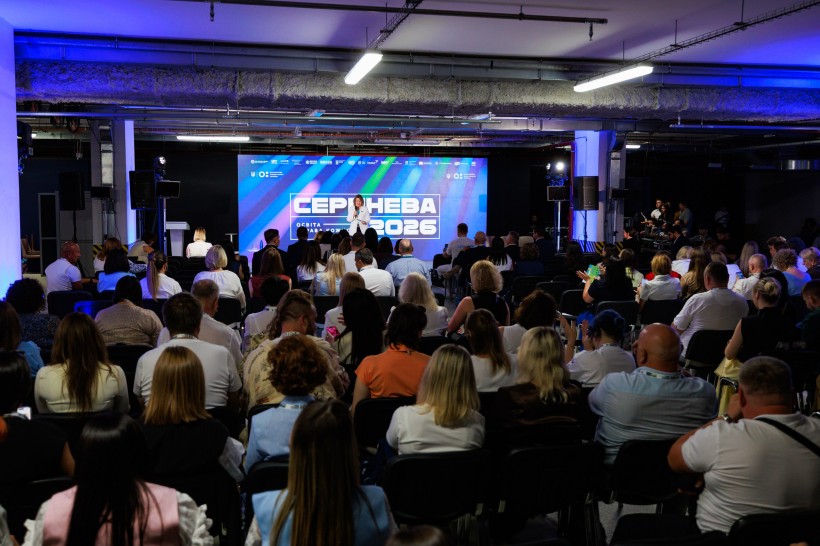
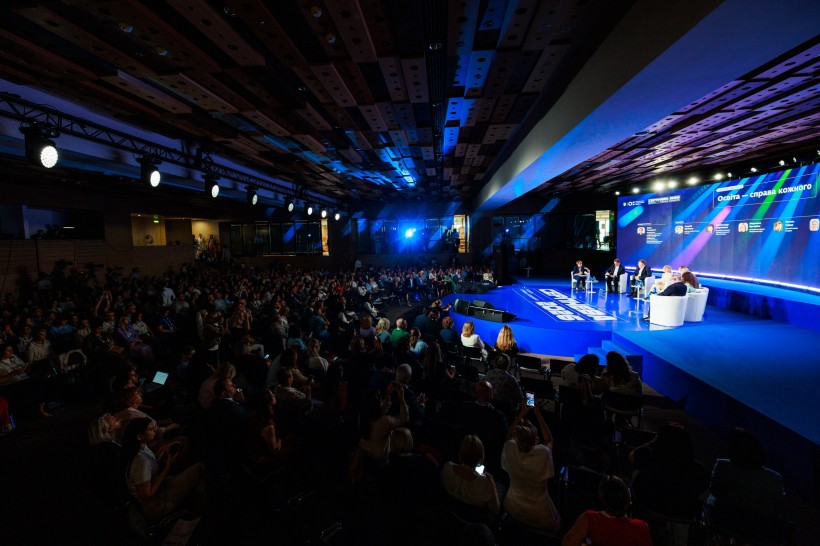
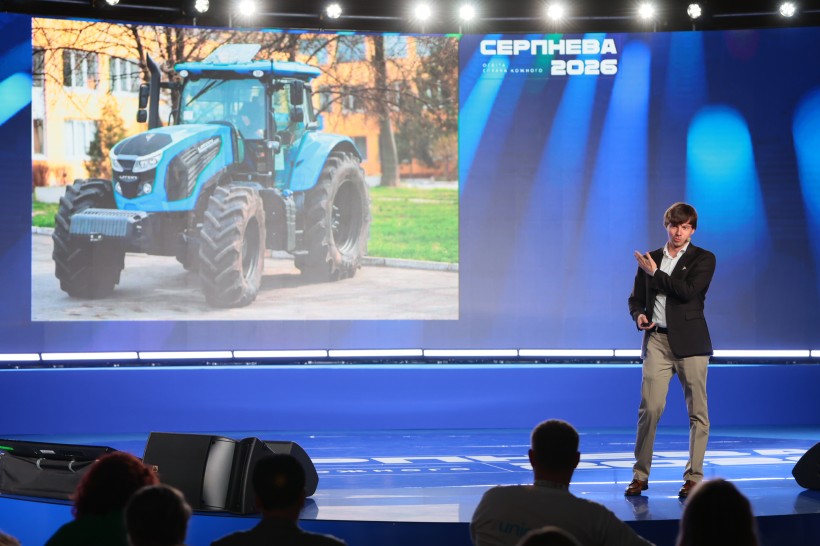
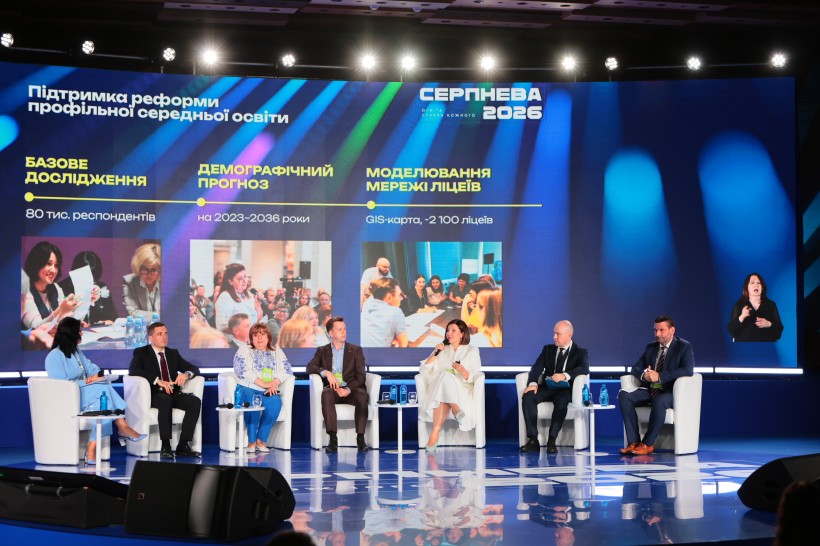
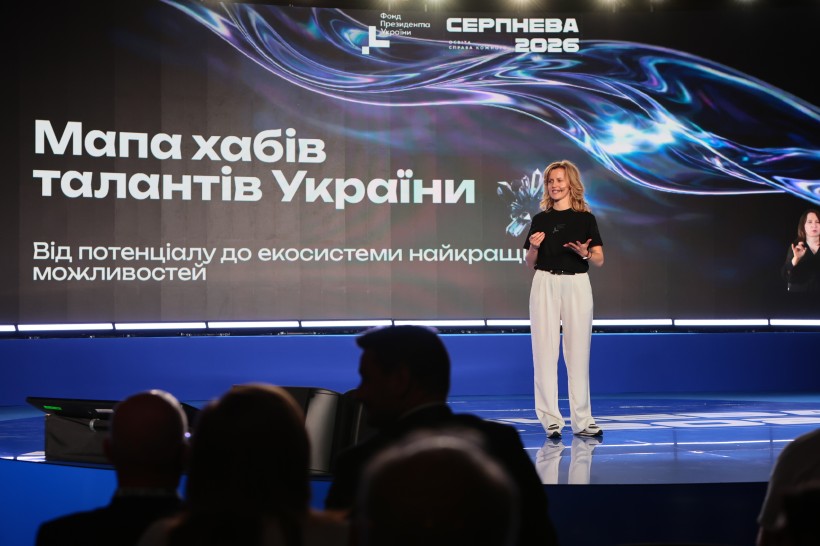
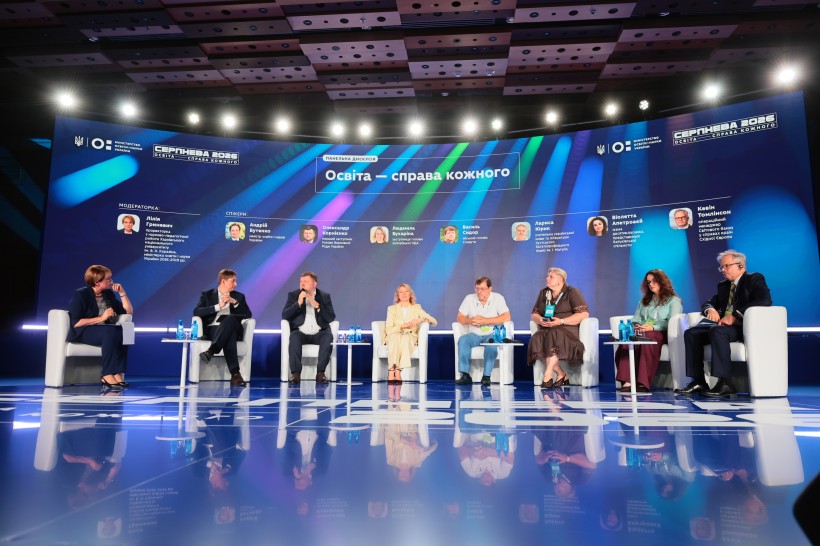
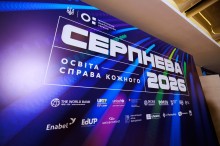

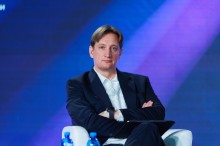
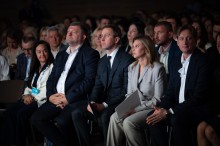
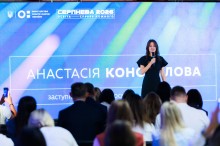

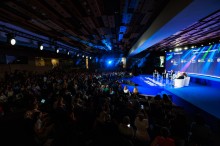
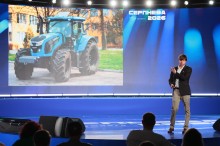
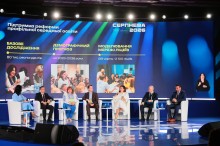
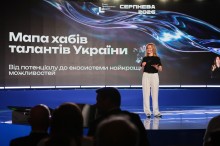
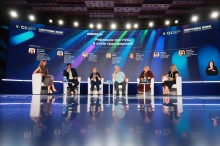

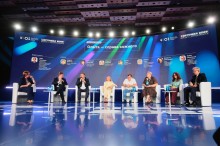
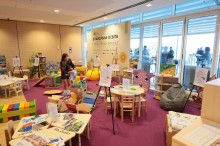
On August 18th, the annual national education conference Serpneva 2026, organised by the Ministry of Education and Science of Ukraine under the slogan “Education is a shared responsibility,” took place in Kyiv. More than 700 participants joined the event.
The conference slogan defined its central theme: a child’s education is shaped by decisions made by the state, the work of educators and education institutions, support from parents, opportunities created by communities, and the involvement of partners. That is why Serpneva 2026 brought together people working at different levels of the education process: educators, heads of education institutions, representatives of national and local government, the parent community, civil society and international organisations, and businesses.
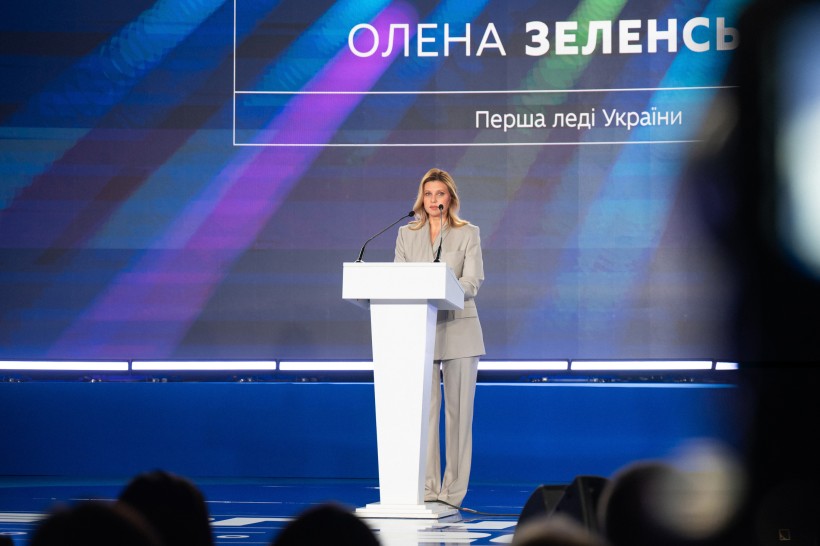
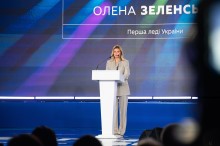
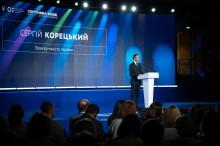
Participants in the conference included First Lady of Ukraine Olena Zelenska, Prime Minister of Ukraine Serhii Koretskyi, Minister of Education and Science of Ukraine Andrii Butenko, Delegate of the Swiss Federal Council for Ukraine Jacques Gerber, UNICEF Representative in Ukraine Ann-Claire Dufay, and World Bank Operations Manager for Eastern European Countries Kevin Tomlinson.
“We in Ukraine face a difficult challenge — to prepare our children for the future so that they do not remain “children of war” forever. So that their lives are shaped not by traumatic experiences, but by confidence in their own abilities and by our love and support. This truly is a shared responsibility — for education and for the entire country,” said First Lady of Ukraine Olena Zelenska.
The discussions focused on two objectives: outlining priorities for the new academic year and presenting tools that educators can use in their daily work. The programme consistently covered all key stages of education from Early Childhood Education to Vocational and Professional Pre-Higher Education.
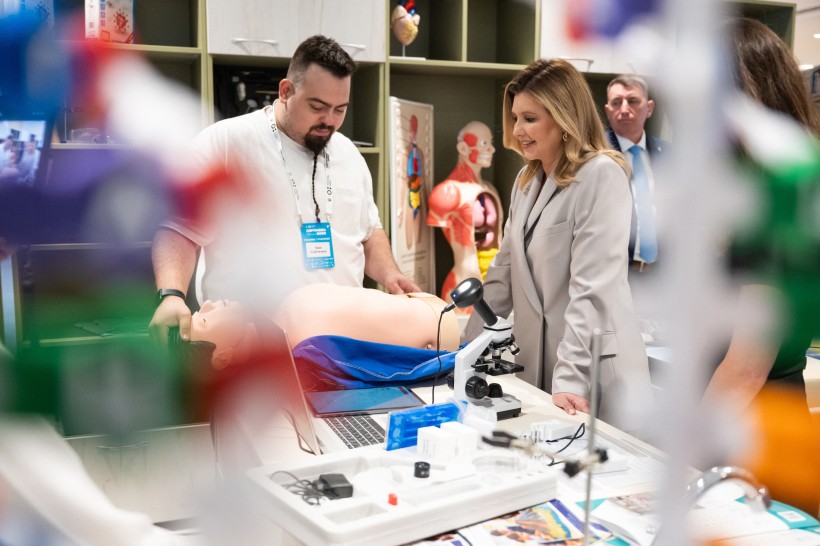
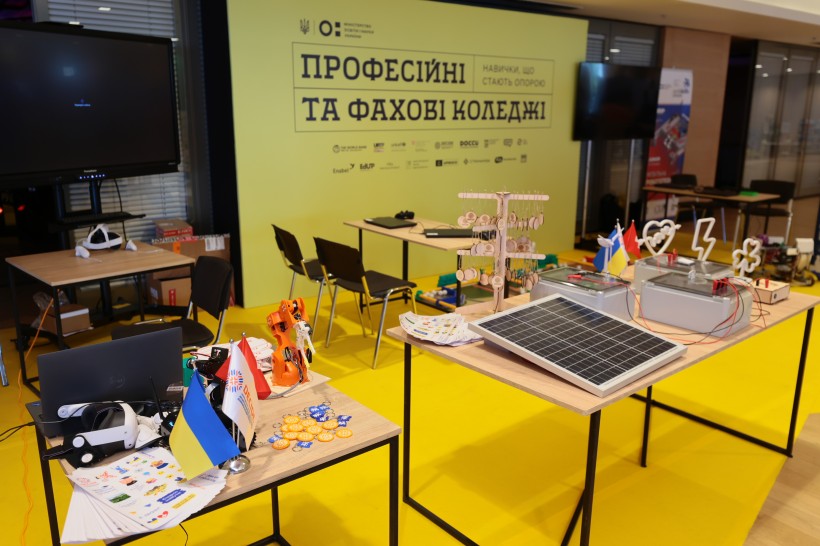
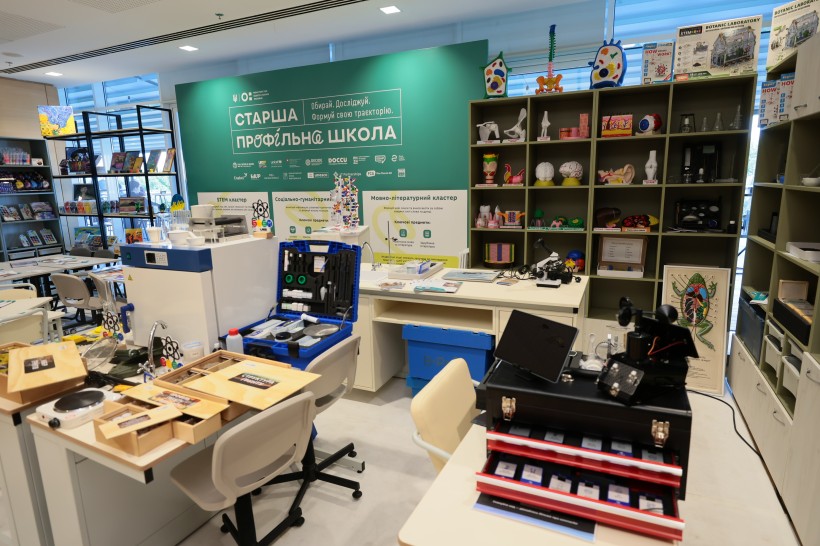
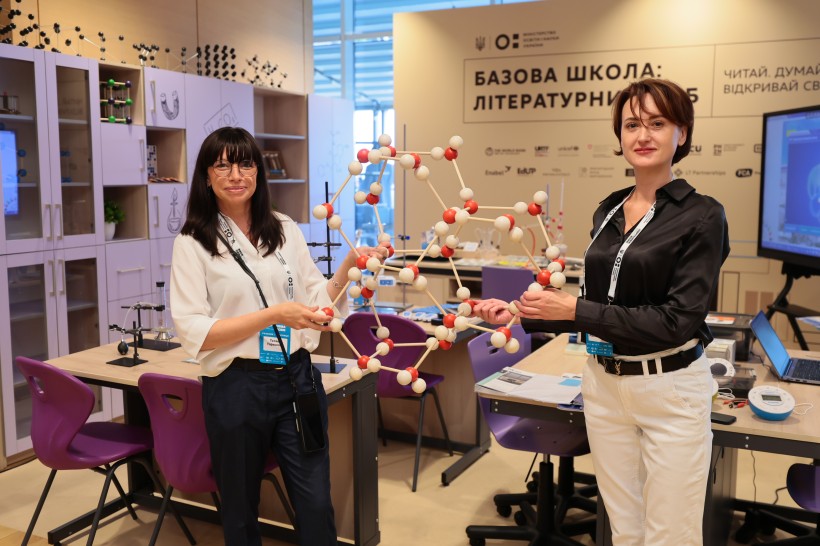
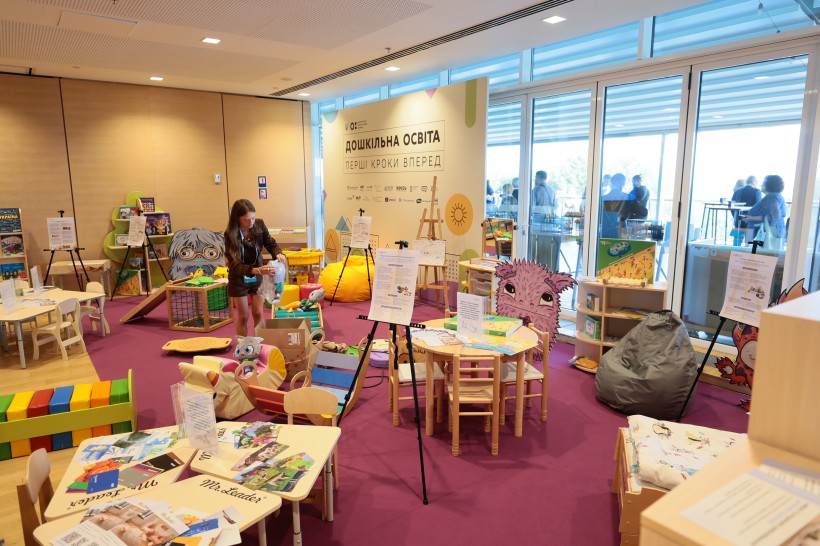
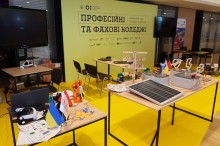
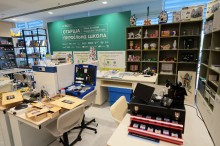
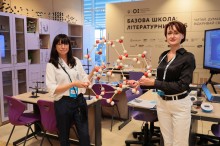
The Main Stage featured discussions on the development of early childhood education, the experience of eight years of the New Ukrainian School, the introduction of Upper Secondary School, and the transformation of Vocational and Professional Pre-Higher Education. Four practical zones operated alongside the Main Stage: Early Childhood Education, Basic Secondary Education, Upper Secondary School, and Vocational and Professional Pre-Higher Education. In each of them, participants explored materials, tools and solutions that can already be used in the new academic year.
“We would like Ukrainian children to study at home, receive a high-quality education, develop their personal abilities and be able to choose their own path. Even during wartime, investment in safe and high-quality education remains one of the state’s key priorities. Our first priority is supporting educators: as of 1 January, their salaries increased by 30%, and from 1 September they will increase by another 20% — an overall increase of 50% compared with 2025. We also need to return as many children as possible to safe in-person learning and ensure modern, high-quality education at every stage,” said Prime Minister of Ukraine Serhii Koretskyi.
During the discussion on the development of the early childhood education system, participants talked about how to ensure that every child has access to high-quality and inclusive early childhood education, regardless of where they live or the security situation in their community.
In the practical zones, experts shared experience in organising educational services for young children in municipal, specialised and private institutions, and explained how communities can use the new opportunities provided by the Law of Ukraine “On Early Childhood Education” to develop early childhood education in line with local needs. Attention was also given to the principles of respect, non-discrimination and human-centredness as integral components of the education process, as well as to the use of barrier-free language in everyday communication.
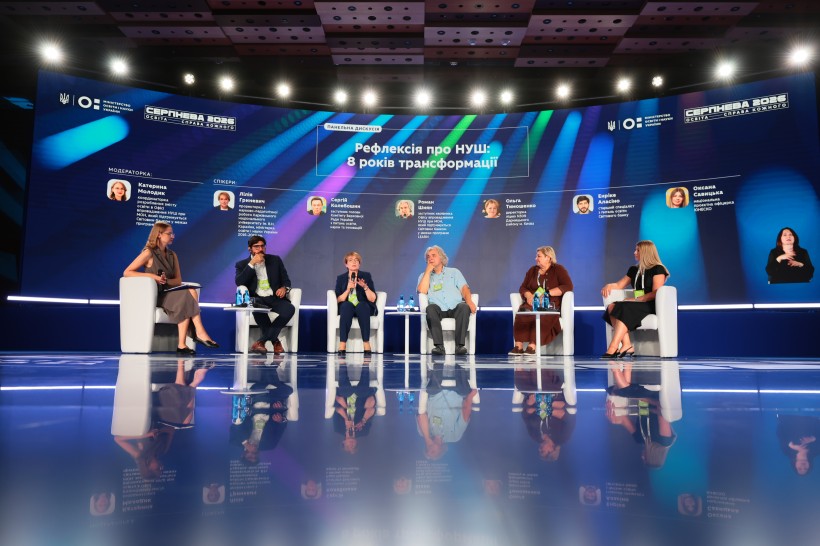
A separate panel was dedicated to eight years of the New Ukrainian School (NUS). Representatives of the government, education institutions and international organisations discussed how the reform developed during the pandemic and the full-scale war, which approaches had proven effective, and what needs to be taken into account at the next stage. They discussed learning losses, continuity of learning, support for children abroad and in the temporarily occupied territories, psychological resilience, and education infrastructure.
“We are starting this academic year with deregulation and reduced bureaucracy: the mandatory recording of assessment results by groups of learning outcomes in class registers has been abolished. Assessment itself remains in place; only the way it is documented has been simplified. The NUS reform continues: we are implementing concepts for educational fields, launching a pilot of Upper Secondary School in 150 academic lyceums from 1 September, and modernising educational spaces and laboratories,” said Minister of Education and Science of Ukraine Andrii Butenko.
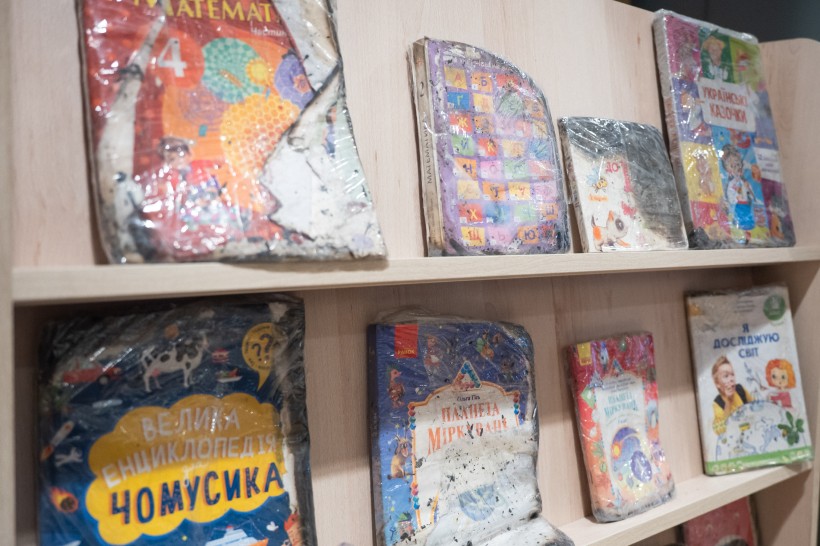
In the Basic Secondary Education practical zone, teachers were introduced to materials and ready-to-use solutions from the Education for Life platform that help them plan lessons and implement modern approaches to teaching and learning. Educators also explored tools for developing reading competence and supporting children with different educational experiences. Participants were also shown the process of creating a textbook from the initial concept to piloting and its use in the classroom. The stand also displayed textbooks damaged as a result of Russian attacks.
Within the Upper Secondary School track, experts discussed the establishment of academic lyceums, the model educational programme, career counselling, educators’ professional development, and financial planning.
A practical guide covering the key components of establishing and implementing Upper Secondary School was presented. Each chapter addresses questions that educators may face at different stages from developing curricula and managing teams to communicating with parents and advocacy. Participants had an opportunity to work with the programme and tools that help education institutions prepare for the changes and support teenagers in making informed choices about their study profiles.
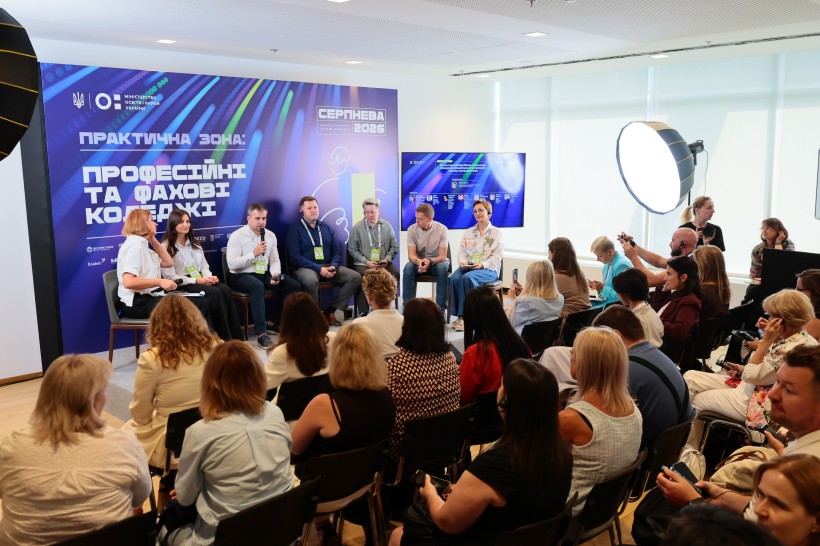
Representatives of VET and PPHE institutions, the Ministry of Education and Science of Ukraine, international projects and employers discussed the modernisation of training workshops and laboratories in colleges, modern career guidance, cooperation between education institutions and businesses, and the alignment of educational programmes with labour market needs.
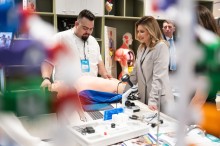
Visitors to the Vocational and Professional Pre-Higher Education practical zone watched a robotics competition using XRP (Experiential Robotics Platform) mobile robots. With guidance from consultants, teams operated the robots to complete specific missions and learned about the principles of competitive robotics, programming and engineering thinking. Using VR headsets, conference participants could perform simulated tasks carried out by electricians, while a welding simulator allowed them to practise using a welding torch and producing different types of welds. College students use this type of modern equipment, enabling them to safely acquire and practise professional skills.
What an educational journey looks like is shaped by students who make informed choices; educators who help them unlock their potential; parents who support their children; communities that create the right conditions; and partners who help implement and scale effective solutions. After all, education is a shared responsibility, and everyone can contribute to positive change.
Recordings of the conference are available on the YouTube channel of the Ministry of Education and Science of Ukraine.
The conference was organised by the Ministry of Education and Science of Ukraine with the support of the World Bank and the Ukraine Relief, Recovery, Reconstruction and Reform Trust Fund (URTF), within the joint Lifting Education Access and Resilience in Times of Need in Ukraine (LEARN) programme; UNICEF; the Swiss-Ukrainian DECIDE — Decentralization for Improved Democratic Education project, implemented by the consortium of the NGO DOCCU and PH Zürich with the support of Switzerland; the Belgian development agency Enabel; the Public-Private Partnership to Improve Vocational Education in Ukraine (EdUP) project, implemented with financial support from the Government of Switzerland and private partners by the Swiss Foundation for Technical Cooperation Swisscontact, with the support of the Ministry of Education and Science of Ukraine; the International Renaissance Foundation; UNESCO — the United Nations Educational, Scientific and Cultural Organization; the Lithuanian International Partnerships Center (CPVA); the EGAP Programme, implemented by the East Europe Foundation with the support of Switzerland; Finn Church Aid (FCA); and the All-Ukrainian Step by Step Foundation, funded by the War Child Alliance.